Kitchen Demolition in Bergen County, NJ
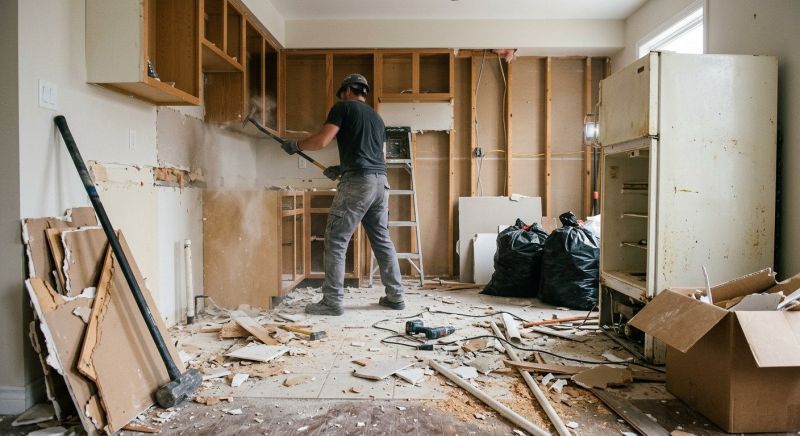
Kitchen demolition services involve the careful removal of existing cabinets, appliances, countertops, flooring, and other elements to prepare a space for remodeling or renovation. These projects can range from partial demolitions, such as removing cabinets and countertops, to complete gutting of the entire kitchen area. Property owners typically request this service when planning to upgrade their kitchens, update outdated layouts, or make structural changes that require removing existing fixtures and finishes before new installations can begin.
Before requesting kitchen demolition, property owners should understand the scope of the work, including which elements will be removed and how the process might impact other parts of the home. It’s also important to consider any necessary permits, potential debris removal, and the timeline for completion. Clarifying these details helps ensure a smooth transition from demolition to the next phase of the renovation project.
Many property owners in Bergen County, NJ look into Kitchen Demolition for repairs, replacements, upgrades, and appearance-related improvements.
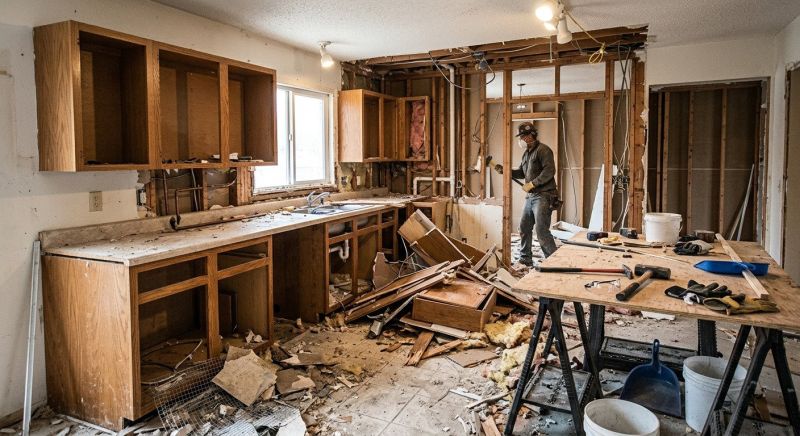
Kitchen Demolition Planning
Proper planning ensures safe and efficient removal of existing kitchen structures.
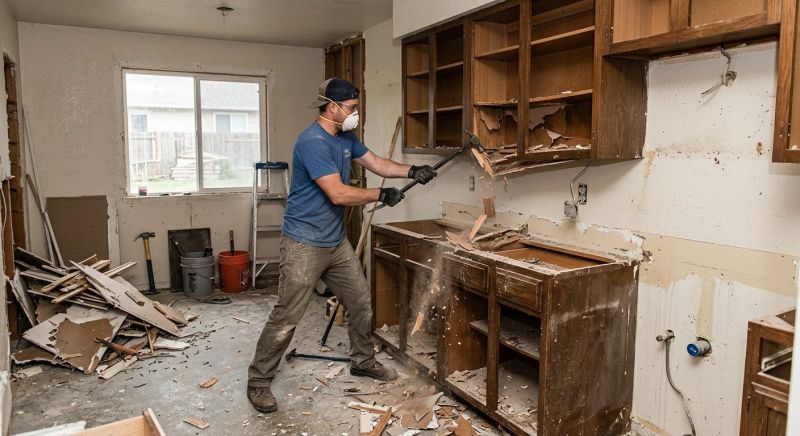
Demolition Techniques And Safety
Advanced methods minimize damage and ensure safety during the demolition process.
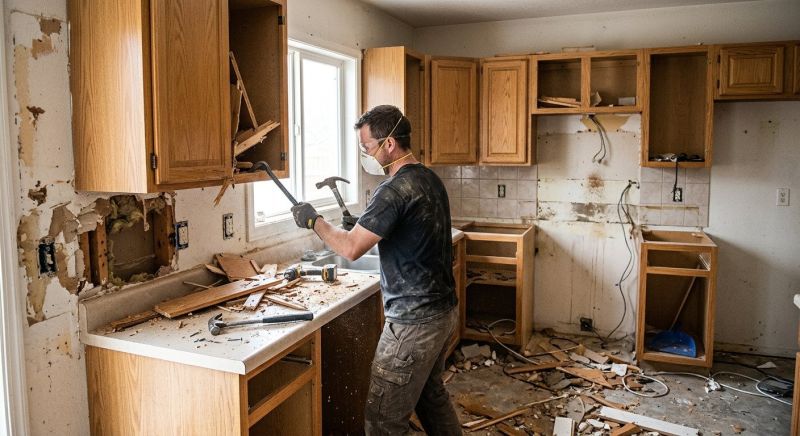
Post-Demolition Cleanup
Comprehensive cleanup prepares the space for renovation or new installations in bergen county homes.
Kitchen Demolition in Bergen County, NJ

Kitchen demolition services involve the careful removal of existing cabinets, appliances, countertops, flooring, and other elements to prepare a space for remodeling or renovation. These projects can range from partial demolitions, such as removing cabinets and countertops, to complete gutting of the entire kitchen area. Property owners typically request this service when planning to upgrade their kitchens, update outdated layouts, or make structural changes that require removing existing fixtures and finishes before new installations can begin.
Before requesting kitchen demolition, property owners should understand the scope of the work, including which elements will be removed and how the process might impact other parts of the home. It’s also important to consider any necessary permits, potential debris removal, and the timeline for completion. Clarifying these details helps ensure a smooth transition from demolition to the next phase of the renovation project.
Many property owners in Bergen County, NJ look into Kitchen Demolition for repairs, replacements, upgrades, and appearance-related improvements.
Common Kitchen Demolition Jobs
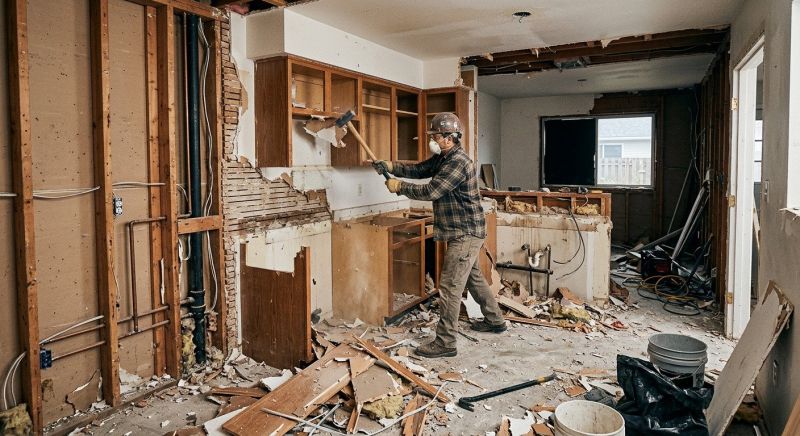
Kitchen demolition involves removing existing cabinets, countertops, and fixtures to prepare for renovation.
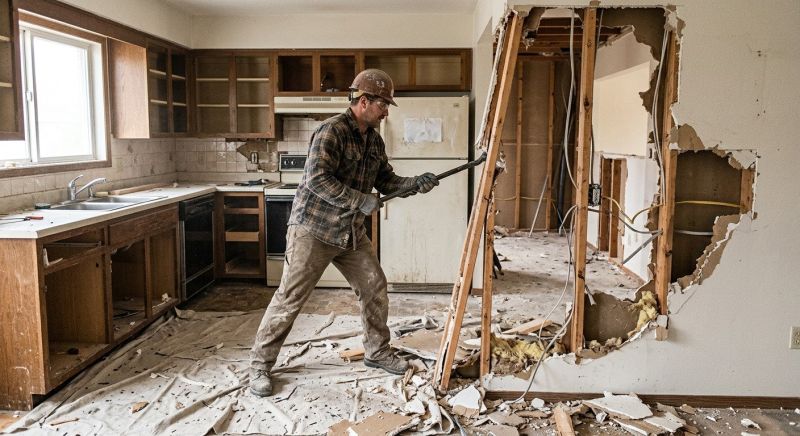
Partial kitchen demolition focuses on removing specific elements like islands or walls for remodeling projects.
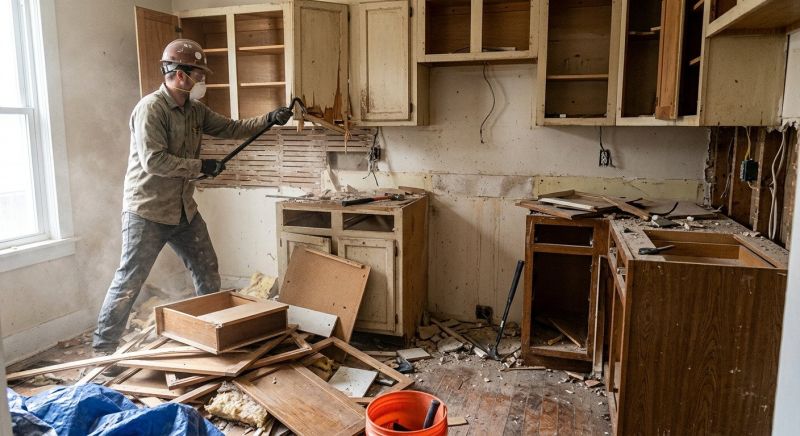
Full kitchen teardown includes complete removal of all kitchen components for major updates or redesigns.
Wall removal involves taking down non-load-bearing walls to create open-concept layouts.
Cabinet removal entails safely dismantling and disposing of old cabinetry for replacement.
Countertop removal involves carefully taking out surfaces to make way for new countertops or layout changes.
Kitchen Demolition Questions
What is included in kitchen demolition services? The removal of cabinets, countertops, appliances, and other fixtures to prepare for renovation or remodeling projects.
How are kitchen demolition projects typically planned? Projects are coordinated to ensure proper disposal of debris and minimal disruption to the property.
Are there any permits required for kitchen demolition? Permit requirements vary by location; it’s recommended to check local regulations before starting the work.
What should homeowners consider before a kitchen demolition? Ensuring utilities are properly disconnected and planning for temporary kitchen arrangements during the process.
Request Kitchen Demolition in Bergen County, NJ
Use the quote form on this page to share the basics of your project and request more information for the type of work you need.